

Introduction
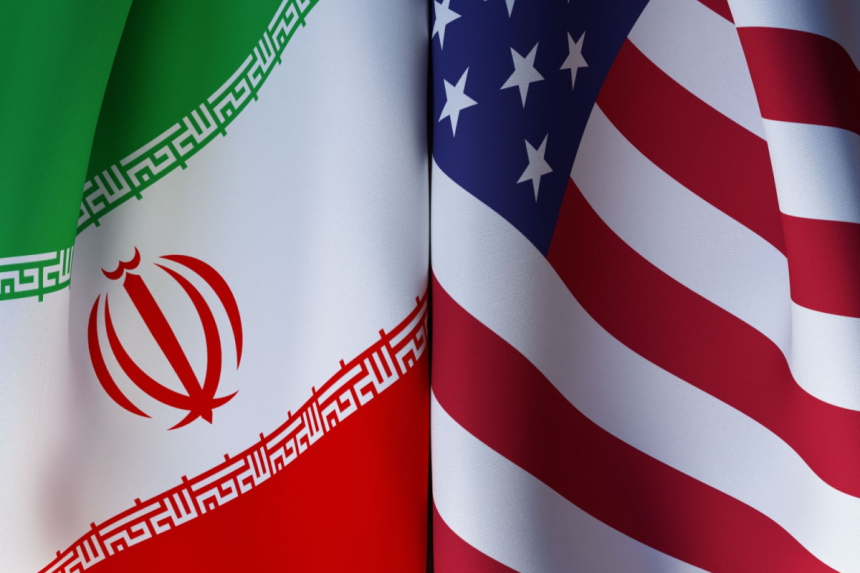
Global markets sold off as the U.S.-Israel operation against Iran intensified and President Donald Trump suggested the campaign could last weeks. Iran’s retaliatory strikes across the region have hit diplomatic and energy-linked targets and contributed to a near standstill in shipping through the Strait of Hormuz, a critical artery for global fuel supply. Investors responded by cutting risk exposure, pushing equities lower while energy prices and select energy-related stocks moved higher.
US Equities Slide as Investors De-Risk
U.S. stocks dropped sharply in midday trading. The S&P 500 fell about 1.4%, the Dow sank by more than 700 points, and the Nasdaq declined about 1.4%. The market reaction reflected concerns that escalation could broaden, disrupt trade and energy flows, and keep volatility elevated for longer than initially expected.
Oil, Gasoline, and Natural Gas Surge
Energy prices extended gains after a large jump earlier in the week. U.S. crude rose another 6.5%, taking its total increase since Sunday night to more than 13% and pushing it to the highest level since January 2025. The international benchmark climbed 6.7% to the highest level since July 2024. Energy company shares outperformed early in the session as higher crude and gas prices typically expand upstream profit margins.
Retail gasoline prices also moved higher. The average U.S. gas price rose about 18 cents from last week to roughly $3.106 per gallon. A GasBuddy forecast cited a likely range of about $3.10 to $3.20 per gallon by the end of the week if current pricing pressure persists.
Natural gas also climbed, rising more than 5% in U.S. trading. European natural gas futures jumped about 20% after QatarEnergy said it would halt liquefied natural gas production Monday and suspend production of several other energy products Tuesday, tightening supply expectations.
Global Markets React: Europe and Asia Drop
Risk-off selling spread internationally. Spain’s IBEX fell about 4.5%, Italy’s FTSE MIB dropped 3.9%, Germany’s DAX slid 3.6%, and major indexes in France and the U.K. declined around 3%. The Stoxx 600 fell nearly 3.2%. In Asia, South Korea’s Kospi dropped about 7% and Japan’s Nikkei 225 fell around 3%, while markets in China, Hong Kong, and India also declined more than 1%.
What Investors Are Watching Next
Analysts highlighted two immediate market sensitivities: the pace of attacks across the region and the risk that Iran’s actions could further disrupt production or exports from key Gulf suppliers. With shipping through Hormuz constrained and travel disruptions widening, investors are watching whether the conflict remains bounded or moves toward a prolonged regional shock that would embed higher energy costs and weaker growth expectations. The combination of unclear war duration and uncertain objectives is also contributing to elevated uncertainty, encouraging a shift from equities into more defensive positioning.
Conclusion
Markets are repricing toward a higher geopolitical risk regime: equities are falling, oil and gas prices are surging, and gasoline is beginning to rise at the pump. The next direction for stocks and energy will likely hinge on whether escalation threatens the production capacity of major Gulf suppliers and whether shipping through the Strait of Hormuz normalizes or remains constrained. Until that clarity emerges, volatility is likely to stay elevated and risk assets remain under pressure.