


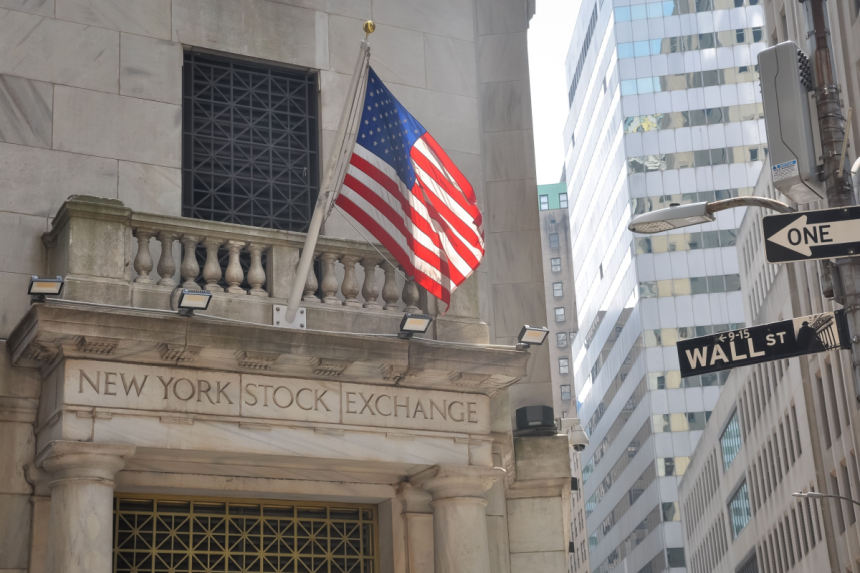
Stocks Trim Early Losses
U.S. equities clawed back much of their early decline Thursday as volatility returned after two strong sessions. The S&P 500 slipped 0.2% by midday after dropping as much as 1.5% earlier. The Dow Jones Industrial Average fell 154 points, or 0.3%, while the Nasdaq Composite edged down 0.3%. European markets also narrowed earlier losses.
Despite the pullback, major indexes remain on track for weekly gains. Thursday marks the final trading session of the week, with markets closed Friday for Good Friday.
Oil Prices Remain the Key Driver
Energy markets continued to dictate sentiment. U.S. crude briefly approached $114 per barrel before easing. Brent crude rose 6.5% to $107.72, while benchmark U.S. crude jumped 11.3% to $111.44. Prices had been drifting closer to $100 before President Donald Trump’s national address Wednesday night.
Shipping disruptions in the Strait of Hormuz, through which roughly one-fifth of the world’s traded oil moves during peacetime, have amplified supply concerns. Even though the United States imports only a fraction of its oil from the Persian Gulf, global pricing means any disruption affects fuel costs worldwide.
Conflict Dampens Optimism
In his address, President Trump pledged continued U.S. attacks on Iran and did not outline a timeline for ending the conflict. That tone cooled expectations of a swift resolution, which had supported equities earlier in the week.
Markets have swung sharply since hostilities began. On Monday, the S&P 500 briefly neared a 10% drop from its record high, a decline commonly labeled a “correction.” Gains on Tuesday and Wednesday reflected hopes that tensions might ease.
“For markets, a prolonged conflict increases the risk of sustained pressures on inflation, global growth, interest rates, and equity valuations,” wrote Adam Turnquist, chief technical strategist at LPL Financial.
Sector Moves and Corporate Updates
Travel-related stocks led declines as higher fuel costs weighed on outlooks. United Airlines fell 4.1%, and Carnival dropped 4%. Tesla slid 4.4% after reporting quarterly sales below analyst expectations.
Technology shares offered partial support. Intel rose 3%, and Advanced Micro Devices gained 1.6%.
In bond markets, yields were relatively steady. The 10-year Treasury yield dipped to 4.30% from 4.32%.
Inflation and Fed Outlook in Focus
Rising energy prices are intensifying inflation concerns. U.S. gasoline prices have climbed more than 33% in the past month to an average of $4.08 per gallon, according to AAA. Higher fuel costs ripple through the economy, lifting transportation, airline tickets and consumer goods prices.
Inflation remains above the Federal Reserve’s 2% target. The surge in energy prices has reduced expectations for interest rate cuts this year. Traders who entered 2026 anticipating multiple rate reductions now expect the Fed’s benchmark rate to hold steady.
While consumer confidence and spending have shown resilience, mortgage rates continue to rise, complicating the housing outlook. A labor market update due Friday may provide further clarity on the broader economic trajectory.