

Introduction
During a visit to Europe, U.S. Energy Secretary Chris Wright, appointed by President Donald Trump, urged the International Energy Agency (IEA) to pivot away from its focus on cutting fossil fuel emissions. Wright criticized the agency’s energy transition agenda and said the United States could withdraw from the IEA within a year if it does not change course. The remarks have intensified a broader debate over energy affordability, security, and whether renewables strengthen or weaken Europe’s economic competitiveness.
Wright Challenges the IEA’s Transition Strategy
Speaking at the IEA’s Paris headquarters, Wright argued that the agency’s commitment to sharply reducing greenhouse gas emissions from fossil fuels is misguided. He said policies designed to accelerate the clean energy transition have harmed economic performance in both the United States and Europe. He also claimed that European leaders are privately interested in rebuilding competitiveness and industry by increasing fossil-based energy supply.
The IEA includes 45 member and associate countries and represents roughly 75% of global energy demand in this account. Wright said Washington is prepared to leave the organization if it does not abandon its transition goals on a short timeline.
Critics Say Renewables Improve Costs and Security
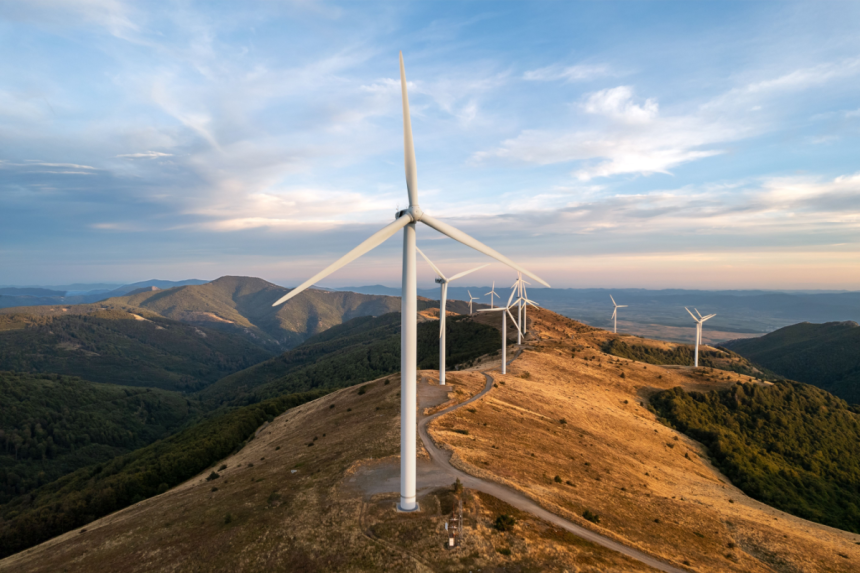
Energy policy researchers and climate-focused analysts rejected the premise that renewables have damaged Europe’s economy. They argued that wind and solar are among the lowest-cost sources of new electricity in many markets, especially in a region with limited domestic fossil fuel reserves. They also pointed to the steep decline in solar costs over the past decade, alongside the risks created by volatile fossil fuel prices.
Europe’s recent energy shocks after Russia’s 2022 invasion of Ukraine are cited as a key example of how dependence on imported gas can drive price spikes. In response, some European leaders have been calling for accelerated investment in domestic renewables to reduce exposure to imported fossil fuels, including liquefied natural gas.
Spain Highlighted as a Case Study
Spain is presented as an example of how rapid deployment of wind and solar can cut electricity costs. According to the figures cited, Spain moved from being among the most expensive power markets in the European Union in 2019 to significantly cheaper power by 2025 as renewables displaced coal and gas. Analysts argue this shift helps weaken the link between power prices and fossil fuel volatility.
Efficiency and Electrification at the Center of the Dispute
Supporters of the clean transition also argue that electrification improves productivity because electric technologies can be substantially more efficient than burning fuels directly. From this view, slower progress in electrifying transport and industry is a bigger competitive risk than renewables themselves, particularly as global competitors scale advanced technologies such as electric vehicles and clean manufacturing.
Strategic Motives and Geopolitical Stakes
Wright’s stance is also framed as part of a broader U.S. strategy to expand fossil energy production and exports. Critics argue that encouraging long-term dependence on U.S. fossil fuel supplies would reinforce American leverage while weakening incentives for other countries to accelerate domestic clean energy buildouts. They also contend that climate policy is treated as a barrier to that export-driven strategy.
Conclusion
The dispute over the IEA’s direction reflects a larger split in energy policy: whether competitiveness is best supported by scaling fossil fuels or by accelerating electrification and domestic renewables. Wright’s threat of a U.S. withdrawal raises the stakes for the IEA and could influence how governments frame energy security and affordability. The outcome will depend on whether the agency and its members maintain transition goals or adjust priorities under pressure from Washington.