

Introduction
The Swiss franc and Japanese yen strengthened as markets reopened after a weekend of major U.S. and Israeli strikes on Iran, while the euro weakened and broader risk sentiment turned defensive. Currency trading was among the first markets to react, with investors quickly pricing the possibility of higher energy costs, disrupted Gulf trade routes, and a wider regional conflict. The moves highlight a familiar pattern in geopolitical shocks: demand for safe-haven assets rises first, then broader markets reprice as oil and shipping conditions become clearer.
Safe Havens Strengthen, Euro Slips
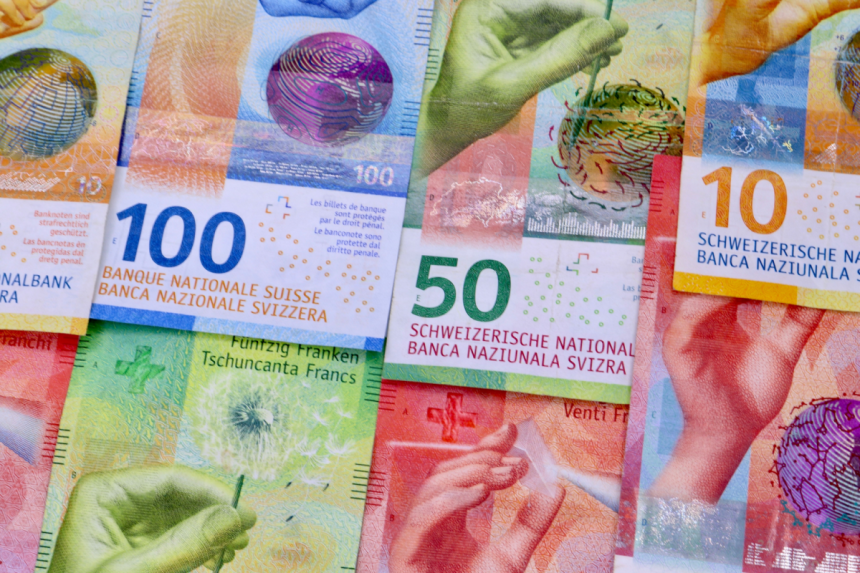
The euro fell about 0.4% to roughly $1.1769 and dropped 0.6% against the Swiss franc to around 0.90391, described as its lowest level since 2015. The U.S. dollar edged lower against the yen near 155.85 and weakened about 0.3% versus the franc, while holding firmer against sterling and the Australian dollar. The early moves reflect risk reduction and immediate demand for perceived stability as investors digest headline risk.
Energy Is the Main Driver for the Next Leg
Analysts expect oil to be the key variable shaping how equities, bonds, and currencies trade this week. Traders indicated Brent was already 8% to 10% higher in over-the-counter trading near $80 a barrel after rising to about $73 at the end of last week. With Iran positioned next to the Strait of Hormuz and the Gulf functioning as a critical global trade hub, markets are focused on whether shipping remains constrained and whether energy supply flows normalize or tighten further.
Two Scenarios Markets Are Pricing
Investors are effectively weighing two paths. The first is a contained disruption where risk premiums rise but the shock remains manageable for the global economy. The second is a broader, longer conflict that produces a sustained oil shock, raising inflation expectations and forcing central banks and markets to reassess growth and policy outlooks. A prolonged Strait of Hormuz disruption would be the most severe trigger because it could tighten oil and gas balances, pressure global logistics, and weigh on growth.
Limits of the OPEC Plus Buffer
OPEC+ has agreed to a modest production increase of 206,000 barrels per day, but this is a very small fraction of global supply and does not directly solve the problem of moving oil out of the Gulf if shipping remains disrupted. That is why traders are watching tanker movement and insurance conditions as closely as production headlines.
A Test for the Dollar’s Safe-Haven Role
The dollar typically strengthens during global stress, but analysts noted that policy turbulence has reduced confidence in the greenback’s safe-haven appeal compared with past cycles. The idea is not that the dollar has lost its role entirely, but that a muted dollar response during a major geopolitical shock would be interpreted as a sign that capital is diversifying toward other defensive assets such as the franc, yen, and gold.
Conclusion
Early FX moves show investors leaning defensive, with the franc and yen gaining and the euro weakening as markets absorb the latest escalation. The next phase will likely be driven by energy: if Gulf shipping normalizes, risk premiums may fade. If disruption persists and oil remains elevated, safe-haven demand could intensify and pressure risk assets, while currency markets continue to reprice inflation, growth, and policy expectations in real time.