


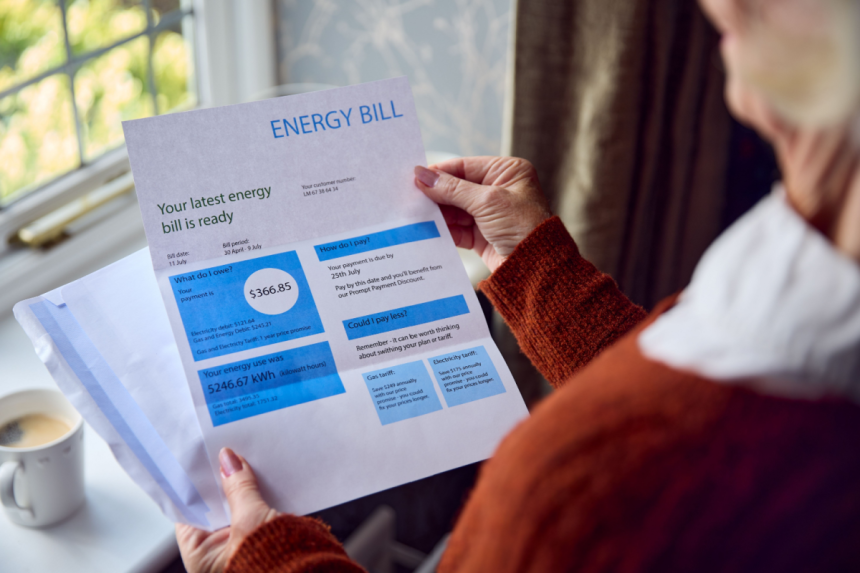
Energy suppliers across the UK are withdrawing fixed price tariffs after a sharp jump in oil and gas prices tied to the war involving the US, Israel, and Iran. The shift has narrowed consumer choice and pushed up the remaining fixed deals, according to new market data compiled by Uswitch. Suppliers and industry representatives say wholesale volatility has made it harder to commit to prices for a year or longer.
The move lands as many households still feel the strain from years of elevated energy costs, alongside higher prices for essentials like food and services. Wholesale prices eased after earlier peaks, but they remain well above levels seen before Russia’s full scale invasion of Ukraine. This week’s fresh surge has revived fears about where bills could head next, even if the effect does not hit all customers immediately.
Fixed Tariffs Shrink as Wholesale Uncertainty Jumps
Uswitch data for the wider UK market shows a rapid pullback in fixed deals since the weekend. The number of fixed tariffs fell from 38 on Saturday to 15 on Thursday, according to the comparison firm. At the same time, prices rose across the remaining offers.
Uswitch said the range for fixed tariffs climbed from £1,509 to £1,898 to £1,640 to £2,194 over the same period. The figures reflect broader market availability, not only offers listed on Uswitch. The pattern suggests suppliers are reacting quickly to risk in wholesale markets, rather than competing aggressively on price.
Energy UK, which represents suppliers, said firms face difficulty when they try to price long fixed deals during fast moving market conditions. When fuel input costs jump and swing, suppliers risk selling tariffs that later prove uneconomic. Pulling products can limit that exposure, while also allowing firms to reprice later if markets settle.
What the Price Cap Means for Households Right Now
The energy price cap limits how much suppliers can charge on standard variable tariffs. That cap means many customers on variable deals will not see an immediate increase in bills before July. Customers on existing fixed tariffs should also avoid a near term rise until their fixed term ends.
That buffer does not remove the pressure from the system. If wholesale prices stay elevated, suppliers can adjust new offers quickly. Consumers shopping now may face higher fixed prices, and fewer choices, than they saw only days earlier.
This matters most for households whose fixed term ends soon, or for those who want price certainty. In a market with fewer fixed deals, more customers may remain on variable tariffs by default. That can increase exposure to later cap changes.
Why the Market Reacted So Fast
Energy markets responded to the risk of supply disruption tied to the conflict. Prices rose as production and transport across the region slowed or stopped in many cases. Oil and gas markets tend to price risk quickly, especially when traders see threats to shipping routes and regional output.
Even though wholesale prices had fallen since the 2023 spike, the baseline remained high. That means renewed shocks can translate into higher retail pricing faster. Suppliers also price fixed deals using forward markets. When forward prices jump, fixed offers often rise or disappear.
Recent events underline how geopolitics can affect UK household energy costs, even when the UK sources gas from multiple regions. Energy pricing still reflects global conditions, especially for gas and LNG. That linkage can feed into retail offers and future caps.
Pressure Builds on Future Caps if Prices Stay High
Ned Hammond, deputy policy director at Energy UK, said prolonged high gas prices could affect upcoming price caps. He warned that if current levels persist for several weeks, the impact on future caps could become “material.” That would raise the risk of higher bills later in the year for households on variable tariffs.
For now, the key variable is duration. A brief spike can fade before it meaningfully changes cap calculations. A longer period of higher wholesale prices can push projected cap levels higher. That creates a bigger risk window for the July cap and later updates.
In the near term, consumers comparing options may find that fixed deals offer less value than before, because suppliers have repriced risk. Those who can access a competitive fixed offer may still value stability. Others may prefer to wait for calmer wholesale conditions, while watching how the next cap forecast develops.