


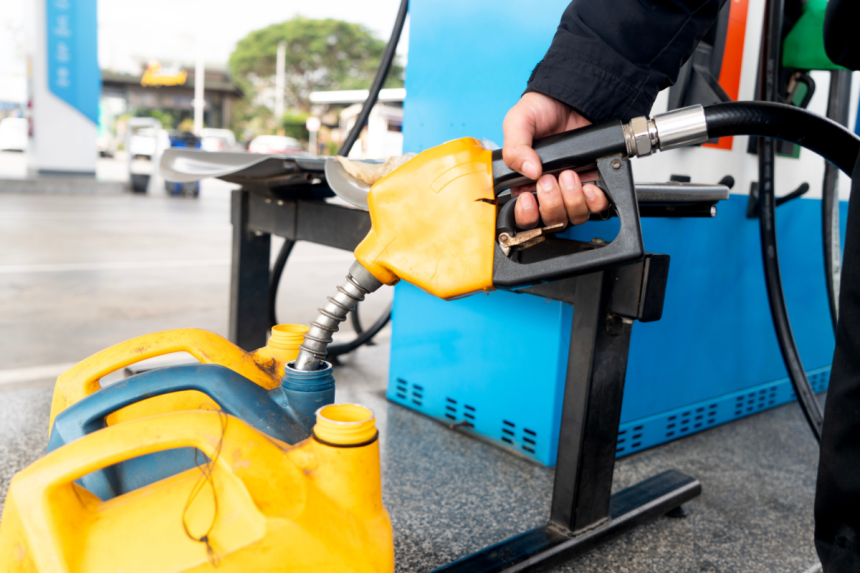
Governments resort to crisis measures
As the conflict with Iran enters its fourth week, energy-importing nations across Asia are taking increasingly urgent steps to shield their economies from deepening fuel shortages and soaring costs.
The Philippines on Tuesday declared a state of national energy emergency, becoming the first country to take such a step since the disruption began. In South Korea, officials have urged residents to conserve electricity by taking shorter showers and charging electronic devices during daytime hours. Japan is launching its largest-ever release of emergency oil reserves and has reassured citizens that there is no need to stockpile consumer goods amid growing public anxiety.
The strain reflects Asia’s heavy dependence on Middle Eastern supplies, which account for roughly 60% of the region’s oil imports. After U.S. and Israeli strikes on Iran last month, Tehran effectively closed the Strait of Hormuz, the narrow waterway that channels about one-fifth of global energy shipments.
Oil forecasts raise recession fears
Energy consultancy Wood Mackenzie has warned that if hostilities persist, Brent crude could surge to $150 per barrel in coming months. An average price of $125 per barrel this year, analysts cautioned, would likely tip the global economy into recession.
Even if a ceasefire is reached, experts expect months or years of aftershocks due to damaged infrastructure and depleted inventories. The International Energy Agency said last week that a coordinated release of 400 million barrels from emergency reserves would not be sufficient to fully offset the supply disruption.
Manufacturing supply chains at risk
Fuel shortages are already spilling into Asia’s industrial base. Several airlines across Vietnam, the Philippines, Australia and Pacific nations have reduced or suspended flights as jet fuel prices climb.
Governments are also moving to protect domestic supplies. China has restricted overseas shipments of certain fuels and materials. In South Korea, officials are considering curbs on exports of naphtha, a petroleum derivative used in plastics manufacturing. Japan’s petrochemical producers have begun cutting output amid naphtha shortages.
“If the situation is prolonged, we are also preparing stronger measures,” said Yang Gi-wook, head of South Korea’s industrial resource security office. He noted that reduced naphtha supplies could affect production of major household appliances such as washing machines.
Consumers and farmers feel the pressure
Rising energy costs are filtering quickly into daily life. Some governments have introduced subsidies to soften the blow. The Philippines is providing financial support to public transport operators, while New Zealand has announced weekly payments of NZ$50 to low- and middle-income working families.
Still, analysts warn that fiscal measures can only provide temporary relief. “You can turn down the air conditioning and ask people to take the steps, but you just can’t pay for months for people’s fuel,” said Josh Kurlantzick of the Council on Foreign Relations.
In rural Thailand, farmer Theerasin said prolonged uncertainty over fuel access could delay his next planting season. “Fuel is the critical factor,” he explained. “We can’t plow or break the soil manually, and we can’t harvest by hand anymore. Everything requires machinery.”
The unfolding crisis underscores how tightly interconnected energy flows and global supply chains have become. With inventories thinning and demand still strong, Asia’s emergency measures may foreshadow broader disruptions if the conflict persists.