


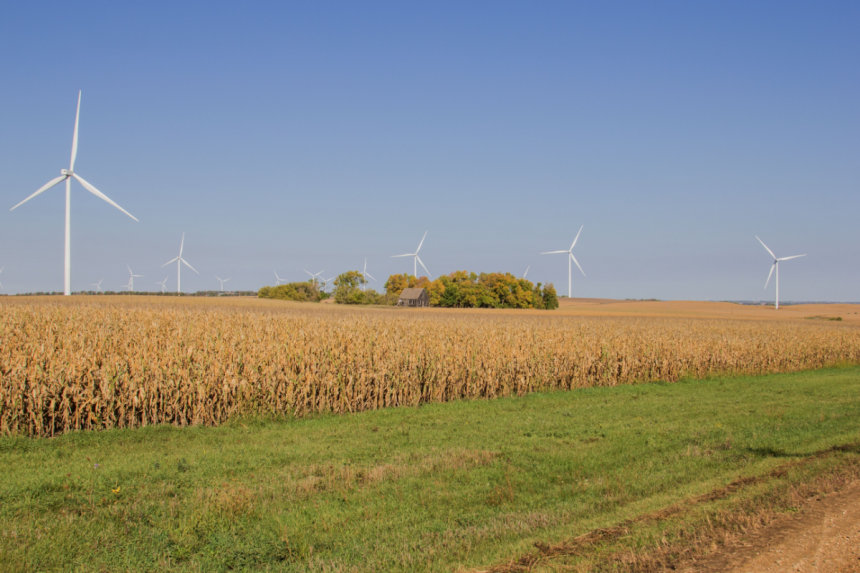
Landowners Fear Impact of “Electricity Superhighway”
On a windswept spring afternoon in Houston County, Minnesota, Dayva Goetzinger pointed toward a distant tree line where she worries massive transmission towers could soon rise. The proposed power lines are part of a $21.8 billion regional grid expansion approved by the Midcontinent Independent System Operator (MISO), though still awaiting state regulatory approval.
If cleared by the Minnesota Public Utilities Commission, the project would introduce a 765-kilovolt transmission backbone across southern Minnesota — the first of its scale in the state and among the largest such infrastructure builds currently underway in the United States.
Utilities and renewable energy advocates argue the project is essential to modernizing the grid, supporting rising electricity demand and distributing wind and solar energy across the Upper Midwest. For rural residents, however, the plan represents sweeping change to landscapes they consider home.
Balancing Reliability and Rural Concerns
The southeast Minnesota segment, known as the Gopher to Badger line, would link South Dakota to Wisconsin, passing through agricultural land and conservation areas. Companies behind the proposal include Xcel Energy and Dairyland Power Cooperative.
Supporters say transmission upgrades are needed to connect wind-rich areas of the Dakotas and alleviate grid congestion — a situation where power cannot efficiently move from generation sites to consumers. Gabe Chan, a professor at the University of Minnesota’s Humphrey School of Public Affairs, noted that expanding transmission capacity also supports Minnesota’s 2023 law requiring 100% carbon-free electricity by 2040.
Energy providers cite projected growth in electricity demand, plant retirements and evolving generation methods as additional drivers.
Environmental and Aesthetic Worries
Opponents in Houston County have submitted concerns to regulators, raising questions about noise, groundwater impacts and wildlife disruption. Some towers could reach 175 feet in height.
John Pugleasa, a former county public health director, said the region’s fragile karst topography — porous limestone formations often described as “Swiss cheese” — makes it vulnerable to groundwater contamination during heavy construction.
Pugleasa supports renewable energy goals but questions the ecological footprint of large-scale transmission. He and other residents advocate exploring underground alternatives, arguing they would reduce visual and habitat disruption.
Conservationists have also voiced concerns about potential impacts on bird habitats near areas such as Silver Creek Reservoir, a known stopover for waterfowl.
Next Steps in the Process
Xcel Energy has stated that environmental assessments will accompany the regulatory review and that public feedback could influence final routing decisions. Construction is not expected to begin before 2030.
For rural landowners, the debate underscores tensions between national climate goals and local environmental preservation. While grid modernization may promise broader economic and environmental benefits, communities directly in the path of new infrastructure are weighing what those gains could cost them.