


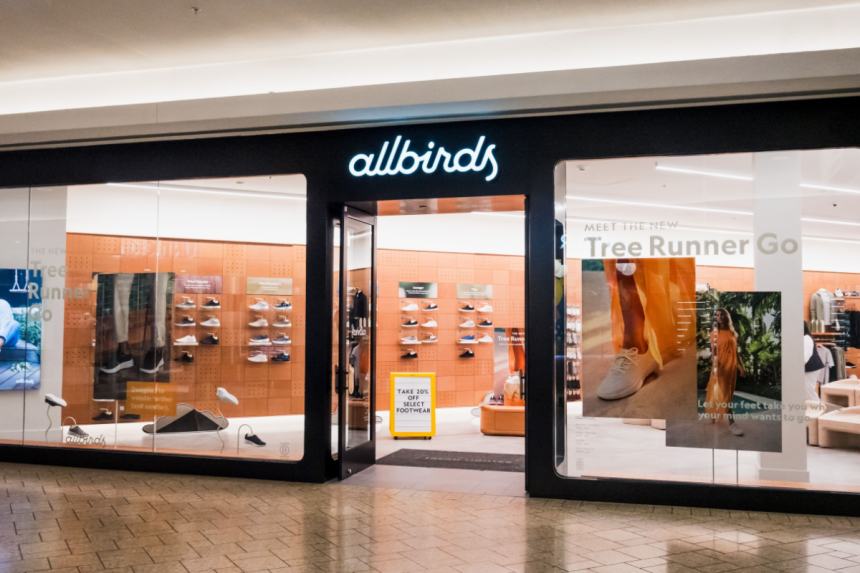
The shift from digital to physical retail
Digital-only brands often enjoy structural cost advantages. Without the burden of physical storefronts, they avoid rent, staffing, utilities and long-term lease obligations. That lean structure can support higher margins, even after accounting for shipping and fulfillment costs.
The direct-to-consumer model has been widely praised for boosting customer loyalty and improving profitability. By eliminating wholesale intermediaries, brands capture more of each sale and maintain direct relationships with shoppers.
However, as analyst Simeon Siegel of BMO Capital Markets has noted, eliminating the middleman often means becoming the middleman. Operating stores introduces new fixed costs and operational complexity that can quickly erode margins.
Returns and the limits of online apparel
The DTC model faces particular friction in categories such as apparel and footwear. Many customers prefer to try items on before purchasing. Online sales come with higher return rates, which carry significant costs.
According to the National Retail Federation, retailers incur approximately $145 million in returns for every $1 billion in sales. Online purchases see a return rate of 17.6%, compared with roughly 10% for brick-and-mortar transactions. Those added logistics expenses can strain profitability.
To address sizing concerns and reduce returns, several DTC brands expanded into physical retail. The strategy aimed to let customers try products in-store and then reorder online with confidence. But the added expenses often outweighed the benefits.
Allbirds’ expansion and reversal
Footwear brand Allbirds followed that path. After building early momentum as a digitally native company, it invested heavily in opening retail locations. At one point, the company operated 60 full-price stores in the United States.
Facing mounting losses, Allbirds announced it would close its remaining U.S. stores by February 2026, describing the move as part of an “asset-light” strategy to refocus on e-commerce, wholesale partnerships and international distribution. CEO Joe Vernachio said the closures were intended to support long-term profitability.
Shortly afterward, the company agreed to sell its intellectual property and select assets to American Exchange Group for approximately $39 million, subject to adjustments. The transaction followed a regulatory filing expressing “substantial doubt” about the company’s ability to continue as a going concern.
From unicorn valuation to fire sale
Allbirds was once valued at roughly $4.2 billion. Analysts now describe its trajectory as emblematic of the challenges facing many DTC brands.
Neil Saunders of GlobalData argued that early success was amplified by market enthusiasm rather than sustained mass-market demand. Significant investment in high-profile retail locations failed to generate sufficient traffic to offset operating costs.
Retail advisor Dominick Miserandino characterized the sale as a cautionary example of the “DTC unicorn” era, noting that selling for $39 million represents roughly 1% of its peak valuation.
The broader lesson is that transitioning from a pure online model to physical retail fundamentally alters a company’s financial structure. Fixed costs rise, operational risk increases and profitability depends on achieving store-level volumes that justify expansion.